
Why the NICU is so CRITICAL.
Roughly half a million babies born will require aid from the NICU each year.
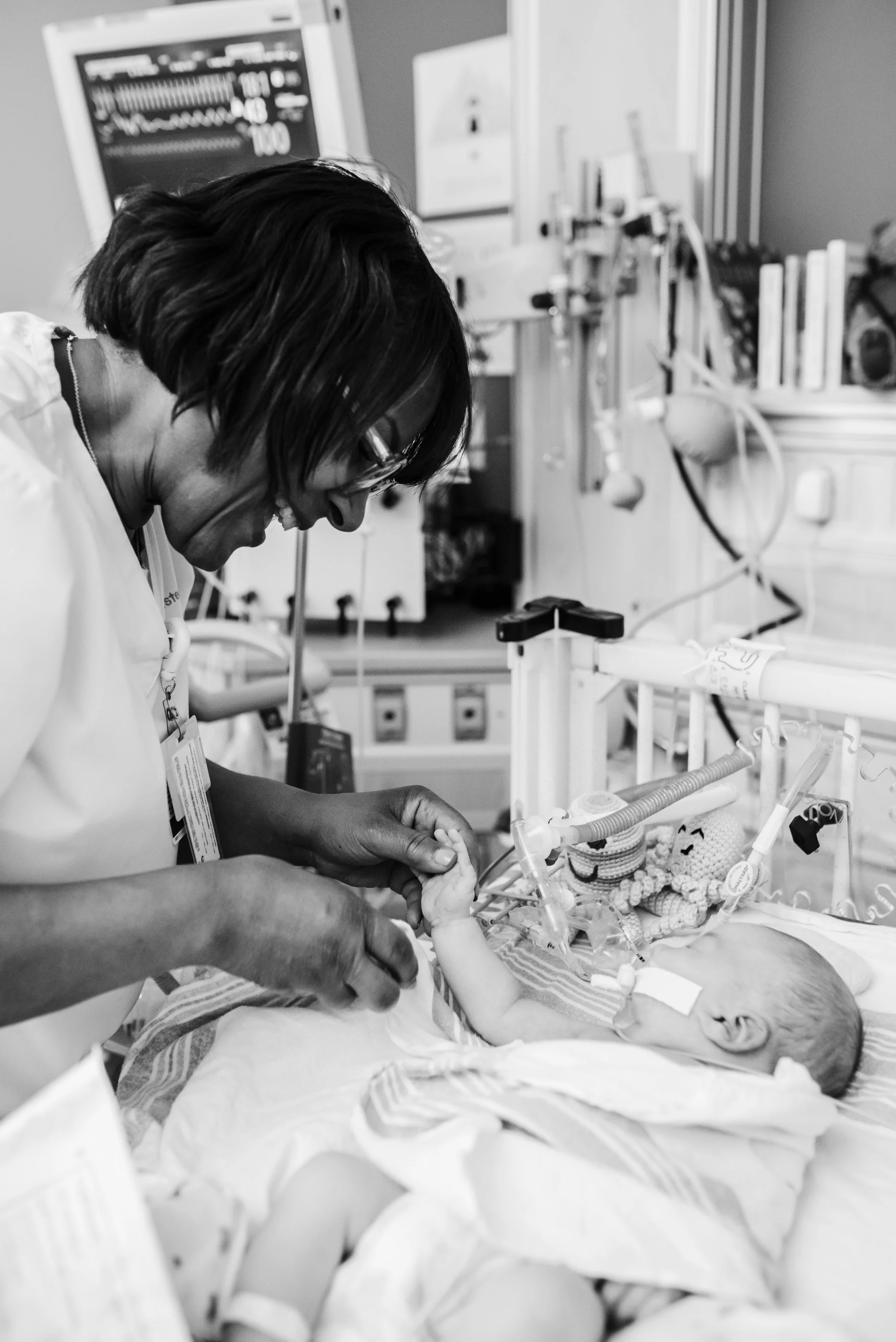
Understanding the NICU Journey
No parent ever plans on their baby entering the Neonatal Intensive Care Unit (NICU). Yet every year across the United States, roughly 1 in 8 infants—nearly 500,000 babies—require specialized intensive care.
While many assume the NICU is only for premature infants born before 37 weeks, approximately half of all NICU admissions are full-term babies who encounter unexpected complications at birth, including:
Oxygen deprivation & neurological injuries (such as Hypoxic Ischemic Encephalopathy)
Respiratory distress & breathing irregularities
Congenital heart conditions & birth defects
Severe infections & rare genetic or metabolic disorders
The Unseen Burden on Families
An unexpected NICU stay is one of the most overwhelming experiences a parent can endure. The emotional shock of medical uncertainty is often compounded by heavy practical and financial strains:
Extended Hospital Stays: The average NICU stay lasts roughly four weeks, with many critically ill infants requiring months of specialized inpatient care.
Mounting Daily Expenses: Beyond medical bills, daily hidden costs add up quickly. Daily hospital parking fees, commuting costs, time away from work, and nearby lodging place immense pressure on families during an already vulnerable time.
The Importance of Bedside Presence: Studies consistently show that an infant’s stability, growth, and neurological development improve significantly when parents can be present to hold, snuggle, and speak to their baby every single day.
Turning Experience Into Action
During our 36 days with Everett in the NICU at Prentice Women’s Hospital, we experienced these daily realities firsthand. Receiving a complimentary parking pass through the Jackson Chance Foundation removed a daily financial hurdle, giving us the peace of mind to focus entirely on loving and holding Everett.
Today, the What Everett Takes Foundation works to pay that gift forward. We partner with dedicated organizations and provide direct family assistance grants to ensure financial barriers never keep parents from their child’s bedside.
Learning About Everett’s Diagnoses
To learn more about the specific conditions Everett faced and the global advocacy communities supporting affected families, explore these vital resources:
Hope for HIE: A global nonprofit dedicated to improving the quality of life for children and families impacted by Hypoxic Ischemic Encephalopathy through awareness, education, and peer support.
United Leukodystrophy Foundation (ULF): A national organization providing comprehensive clinical information, patient advocacy, and research updates for Metachromatic Leukodystrophy (MLD) and other leukodystrophies.